Cold showers. A water heater that can’t keep up. Rising energy use makes you second-guess every load of laundry. If your current system is struggling, heat pump water heater installation in Summit NJ is one of the smartest upgrades you can make for comfort, efficiency, and peace of mind—especially when it’s installed the right way for your home.
Stashluk Plumbing, Heating, Air Conditioning, and Generators has been serving local families for 75 years with confidence, craftsmanship, and straightforward guidance. We’re your trusted whole-home experts—here to help you choose the right solution and install it properly without pressure.
What Is a Heat Pump Water Heater (and Why Install One)?
A heat pump water heater (also called a hybrid water heater) heats water by moving heat from the surrounding air into the tank, instead of generating heat directly like a standard electric water heater. That makes it an energy-efficient water heating option for many Summit, NJ homes—especially when the unit is correctly sized, located, and vented/drained as needed.
Why Homeowners in Summit Choose Heat Pump Water Heaters
Heat pump water heaters aren’t “new,” but they’ve become a top choice as homeowners look for better efficiency and dependable hot water.
Key benefits of a hybrid heat pump water heater
- Improved efficiency: Uses ambient air heat to warm water.
- Reliable hot water with smart controls: Many models include multiple operating modes (efficiency, high-demand, vacation).
- Safer operation for many homes: No combustion process like gas-fired systems.
- Comfort upgrades pair well together: A heat pump water heater can complement other efficiency improvements.
If you’re still weighing options, our team can also help you compare alternatives like a tankless system.
Heat Pump Water Heater vs. Standard Water Heater
When planning a replacement, it helps to understand what changes—and what stays the same.
What’s similar
- A tank-style footprint (most models)
- Typical hot water piping connections
- Standard home hot water usage patterns
What’s different
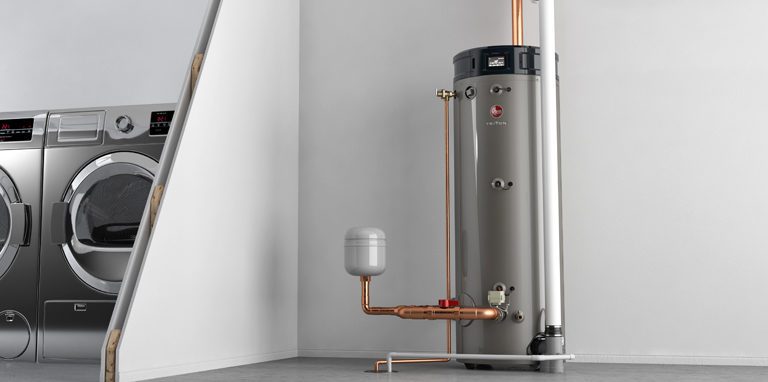
- Airflow needs: The heat pump needs access to air to “harvest” heat.
- Condensate management: The system produces condensation that must drain properly.
- Noise considerations: Like a refrigerator, it has a compressor/fan that makes sound.
- Electrical requirements: Some models require a dedicated circuit and specific voltage.
Already have a traditional water heater and just need a like-for-like swap? Start here, Water Heater Installation in Madison, NJ
Is Your Home a Good Fit for Heat Pump Water Heater Installation?
A professional assessment matters. The “best” unit on paper can underperform if the installation conditions aren’t right.
Good candidates often include homes with:
- A utility area, basement, or space where air circulation is available
- Enough room for recommended clearances around the unit
- A practical route for a condensate drain line
- An electrical service that can support the unit’s requirements
Potential challenges we plan around
- Tight mechanical rooms with limited airflow
- Finished basements where sound matters more
- Older homes needing electrical upgrades or thoughtful placement
- High-demand households that may need careful sizing and settings
If you’re not sure where your home falls, we’ll walk you through options clearly—so you can make a confident decision.
Heat Pump Water Heater Sizing and Capacity
Sizing is one of the biggest drivers of satisfaction. Too small, and you’ll run out of hot water. Too large, and you may pay for capacity you don’t need.
What we evaluate for proper sizing
- Number of bathrooms and simultaneous hot water use
- Household size and typical routines (morning showers, laundry frequency, etc.)
- Existing tank size and performance history
- Space constraints and where the unit will live
- Desired operating mode (efficiency-first vs. high-demand)
Pro tip: A correctly sized hybrid water heater can feel dramatically different than an older tank that’s lost efficiency over time.
Best Location for a Heat Pump Water Heater
Because the system pulls heat from the air, location is a “performance feature,” not an afterthought.
Common installation locations in Summit NJ homes
- Basements (often ideal for space and airflow)
- Utility rooms
- Garages (when conditions support it)
- Mechanical areas near existing plumbing runs (to reduce disruption)
What we look for in the installation location
- Adequate airflow and clearance
- A place to route condensate safely
- A solid base and vibration control options
- Proximity to the main hot water distribution to reduce wait time
Want faster hot water at the faucets and in the showers? This pairs well with recirculation solutions.
Electrical Requirements and Safety Considerations
Heat pump water heaters have specific electrical needs, and we take a “measure twice, install once” approach.
Electrical items we confirm before installation
- Voltage compatibility (some models are 120V, others 240V)
- Breaker and circuit requirements
- Proper disconnecting means and safe access
- Bonding/grounding as required
When electrical updates are needed, we’ll explain what’s required and why—clearly, professionally, and without pressure.
Condensate Drain Setup and Moisture Management
A heat pump water heater naturally creates condensation—so the installation must include a reliable way to manage it.
Common condensate solutions
- Gravity drain to an appropriate location
- Condensate pump when gravity drain isn’t practical
- Proper routing and termination to protect finishes and reduce the risk of leaks
This is one of the details that separates a basic install from a truly professional one.
What to Expect During Professional Heat Pump Water Heater Installation
Homeowners often ask what the day-of install looks like. Here’s how we typically approach it.
Our installation process (high-level)
- Home evaluation & system selection support
- Site prep (protect floors, confirm clearances, plan drain/piping routes)
- Safe removal of the existing water heater (as applicable)
- Set and secure the new unit
- Plumbing connections and configuration for efficient performance
- Electrical connections per unit requirements
- Condensate drain installation and testing
- Startup, verification, and walkthrough—so you know how to use your new system confidently
Because we’re trusted whole-home experts, we also look for adjacent issues that can affect your results—like aging shutoff valves, inefficient piping layouts, or opportunities to improve hot water delivery.
Operating Modes, Settings, and How to Get the Best Performance
A heat pump water heater can be incredibly efficient—but only when set up to match your household.
Common modes you may see
- Heat Pump / Efficiency Mode: Maximizes efficiency (slower recovery)
- Hybrid / Auto Mode: Balances efficiency and recovery
- High Demand / Electric Assist: Helps during heavy usage periods
- Vacation Mode: Reduces energy use when you’re away
We’ll show you how your system works, what settings make sense for your routines, and how to avoid common missteps.
Maintenance Tips for Heat Pump Water Heaters
Routine maintenance keeps performance strong and helps prevent surprises.
Simple upkeep that matters
- Check and clean the air filter on schedule
- Keep the area around the unit clear for airflow
- Confirm the condensate drain is flowing properly
- Schedule periodic professional service if performance changes
Prefer a proactive approach?
Heat Pump Water Heater Installation FAQs
Do heat pump water heaters work well in colder months?
Yes—many do very well, but performance depends on the installation location, airflow, and ambient temperature. We’ll recommend the best placement in your Summit NJ home to support reliable operation.
Are heat pump water heaters noisy?
They can produce a low hum—similar to a refrigerator—because they use a fan and compressor. Proper placement, stable mounting, and vibration control can minimize impact.
Do heat pump water heaters need special venting?
Typically, they don’t vent like gas water heaters. However, they do need airflow, and in some setups, ducting may be used to guide intake or exhaust air. We’ll advise what’s appropriate for your home.
What kind of maintenance do they require?
Most routine maintenance focuses on airflow and drainage, like cleaning the air filter and ensuring condensate drains correctly. We’ll review maintenance expectations after installation.
Can I replace my current water heater with a heat pump water heater?
In many cases, yes. The key considerations are space, airflow, electrical capacity, and condensate drainage. We’ll confirm compatibility and outline any required updates before work begins.
Ready for Heat Pump Water Heater Installation in Summit NJ? Contact Stashluk Today.
When your hot water system matters—and it does—you deserve a team that combines modern expertise with long-standing local trust. With 75 years in business, Stashluk Plumbing, Heating, Air Conditioning and Generators is built on craftsmanship, clear communication, and customer-first service.
Get started with confidence (without pressure)
Call 908-277-6200 or reach out through our contact page.
Schedule Your Heat Pump Water Heater Installation in Summit NJ
Let’s talk through the best solution for your home and handle the installation with the care and professionalism Summit homeowners expect from Stashluk.